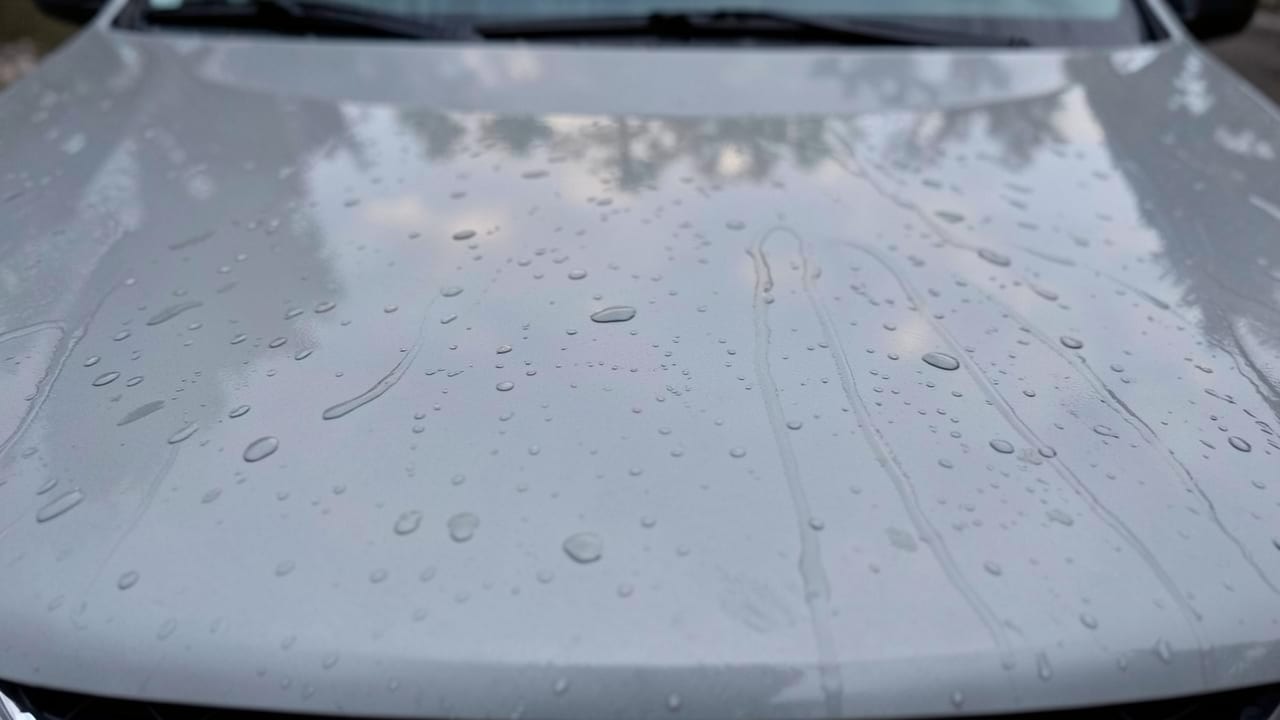
Post-Storm Contaminant Removal
Removal of contaminants from vehicle paint after storms, followed by ceramic coating application.
After a storm in Fort Myers, FL, contaminants like embedded debris, tar, and brake dust can damage your vehicle’s paint and reduce the effectiveness of ceramic coatings. Post-storm contaminant removal identifies and safely lifts these pollutants before applying protective coatings, restoring your car’s finish and extending its lifespan.
This process is tailored to the specific residues left by storms, ensuring your vehicle’s surface remains smooth and protected.
We also handle Acid Rain Etch Removal and Bird Dropping Removal for Fort Myers vehicles.
Why post-storm contaminant removal is different
Storms in Fort Myers bring unique contaminants—tree sap, tar, iron particles from brake dust, and industrial fallout—that bond differently to your vehicle’s paint. Unlike general cleaning, these residues require targeted chemical treatments and mechanical lifting to avoid spreading or scratching the surface.
Skipping this step can leave hidden contaminants that weaken ceramic coatings over time.
For example, brake dust embeds into clear coats, while tar and sap often leave faint shadows that reappear if not fully removed. A quick rinse won’t address these; they need dwell-time chemistry and gentle abrasion to lift without damaging the paint.
The goal is to restore the surface to its pre-contaminant state before applying protective layers.
Signs Your Vehicle Needs Post-Storm Contaminant Removal
- Dark specks remain on lighter paint after washing with soap and water—likely embedded rail dust or industrial fallout.
- Paint feels gritty or bumpy under a clean hand, even after a thorough wash.
- Tar or sap spots leave faint shadows or reappear after wiping, indicating residue is still bonded.
- Orange or rust-colored specks appear after highway driving, often concentrated behind the front wheels (brake dust).
What affects the process and cost
The type of contaminant dictates the chemicals and tools used—iron removers for brake dust, adhesive solvents for sap, and specialized cleaners for tar. Mechanical steps like clay bar treatment may be added if chemical dwell time isn’t enough to lift the residue.
The extent of the contamination (localized spots vs. widespread fallout) also influences time and materials.
Timing matters: contaminants bond more tightly the longer they sit, making early treatment easier. For instance, bird droppings or sap left for days may require additional steps to avoid etching the paint. Regular washing schedules help catch loose contaminants before they embed, reducing the need for full decontamination later.
| Contaminant Type | Typical Treatment Steps | Why It’s Needed |
|---|---|---|
| Brake Dust (Iron Particles) | Iron remover dwell + clay bar lift | Particles etch clear coat if left untreated; chemical breakdown prevents surface scratching. |
| Tree Sap/Tar | Adhesive solvent dwell + mechanical lift | Residue bonds to paint; dwell time softens it for safe removal. |
| Industrial Fallout | Targeted cleaner + lubricated clay mitt | Fine particles embed in wax layers; clay lifts without dragging grit. |
| Bird Droppings | Acid-neutralizing cleaner + rinse | Acidic compounds can etch paint if not rinsed immediately. |
Preparing for a ceramic coating after removal
Once contaminants are removed, the paint’s protective layers—wax, sealant, or existing coating—may be partially stripped. Applying a spray sealant or coating topper restores this barrier, preventing new contaminants from bonding as easily. This step is critical: skipping it leaves the surface vulnerable to recontamination and reduces the coating’s longevity.
Ceramic coatings are applied over clean, decontaminated surfaces to bond properly. The coating’s durability depends on the prep work—skipping steps like iron removal or clay bar treatment can trap contaminants under the coating, causing swirls or adhesion failure over time.
Always confirm the full prep chain is included in your service quote.
Washing a freshly coated vehicle too soon or with harsh products can compromise the coating’s bond. Follow the curing window (typically 7–14 days) and use only pH-neutral car shampoos. Harsh chemicals or abrasive tools can strip the coating prematurely, leaving the paint unprotected.
How post-storm contaminant removal works
This process targets embedded residues left by storms, ensuring your vehicle’s paint is clean and smooth before protective coatings are applied.
- 1Contaminant Identification
Each residue—tar, brake dust, sap—requires a specific chemistry. A visual and tactile inspection determines the type and extent of contamination, guiding the treatment plan.
- 2Chemical Treatment
A dwell-time product formulated for the contaminant is applied and left to break it down chemically. For example, iron remover is used for brake dust, while adhesive solvents tackle sap or tar.
- 3Mechanical Lifting (If Needed)
If chemical treatment alone doesn’t release the contaminant, a clay bar or mitt is used with a lubricant to gently lift remaining residue without scratching the paint.
- 4Rinse and Inspection
The area is rinsed thoroughly, and the surface is inspected under direct light to confirm contaminants are fully removed. Some residues may appear gone indoors but reappear outdoors.
- 5Protective Follow-Up
A spray sealant or coating topper is applied to restore the paint’s protective layer, which may have been disturbed during decontamination. This step helps prevent new contaminants from bonding.
Frequently asked questions
How do I know if my car needs contaminant removal after a storm?
Look for embedded specks that survive a soap-and-water wash, gritty paint when touched, or faint shadows from tar/sap spots. These signs indicate contaminants have bonded below the surface and require targeted treatment.
Can I remove contaminants myself, or should I use a professional?
DIY methods like all-purpose cleaners often smear contaminants instead of lifting them, especially for iron particles or adhesive residues. Professionals use dwell-time chemicals and tools like clay bars to avoid damaging the paint.
Will a ceramic coating protect my car from future storm damage?
Coatings add surface hardness against light swirling and UV fading but don’t stop rock chips or deep scratches. Regular washing and prompt contaminant removal are key to maintaining the coating’s effectiveness.
How long does the contaminant removal process take?
The time varies based on contaminant type and coverage—localized spots may take 1–2 hours, while widespread fallout could require 3–4 hours. Inspection under direct light ensures no residue remains before moving to coating.
Where Fort Myers sits, and what the Census lists nearby
Fort Myers sits in Florida, and the closest places listed in the U.S. Census Gazetteer are Page Park (3.5 miles southwest), Tice (3.9 miles north), Pine Manor (4.4 miles southwest), Whiskey Creek (5 miles southwest).
Within 25 miles of Fort Myers the same source lists 44 distinct incorporated places and census-designated places.
Those figures matter for post-storm contaminant removal because they are straight-line distances between Census coordinate points: road mileage between Fort Myers and Page Park runs longer than the 3.5 miles shown, which is why quotes for the same job differ between towns that look close together on a map.
Source: U.S. Census Bureau Gazetteer.
See Lehigh Acres, FL for more, or see our full crew's Fort Myers services step by step for our complete lineup.
Ready to get started?
Talk to a local ceramic coating pro in Fort Myers — get a written quote.
Other Ceramic Coating Services in Fort Myers
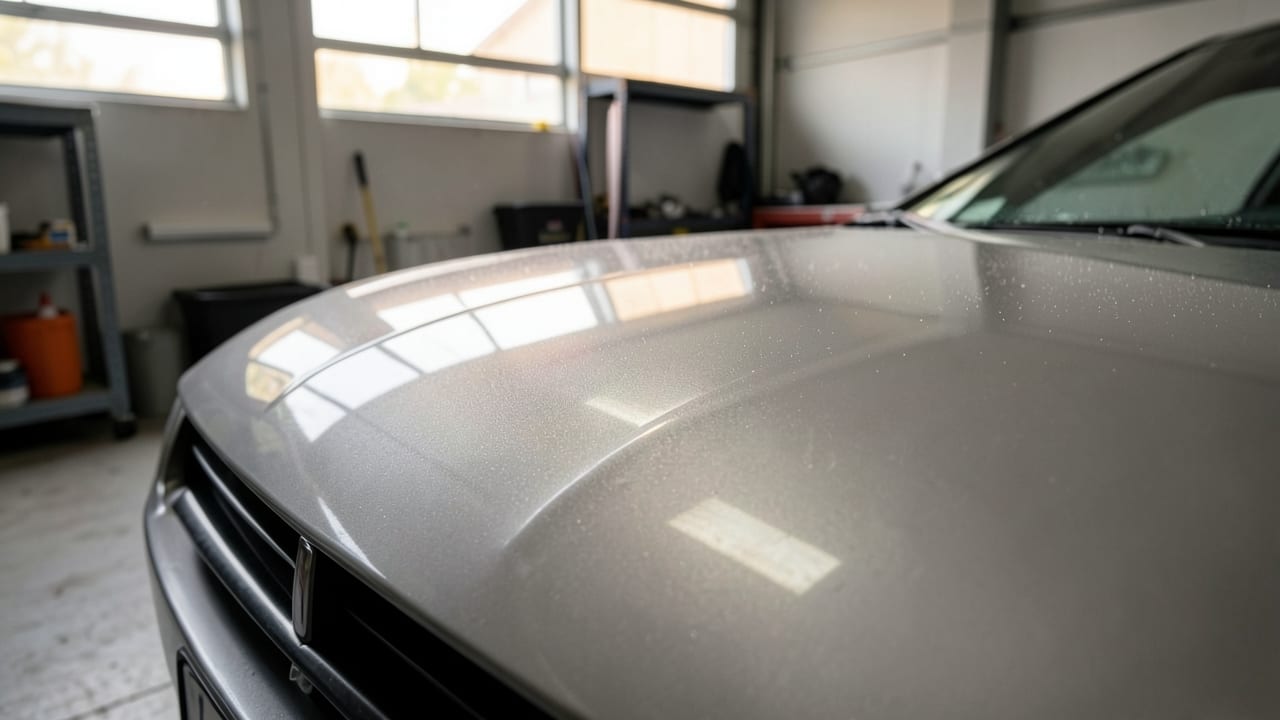
Acid Rain Etch Removal in Fort Myers, FL
Professional removal of acid rain etching from vehicle surfaces using ceramic coatings and paint correction.
Learn More
Bird Dropping Removal in Fort Myers, FL
Professional removal of bird droppings to prevent paint damage and maintain ceramic coatings.
Learn More
Tree Sap Removal in Fort Myers, FL
Professional removal of tree sap from vehicle surfaces using safe, paint-friendly methods.
Learn More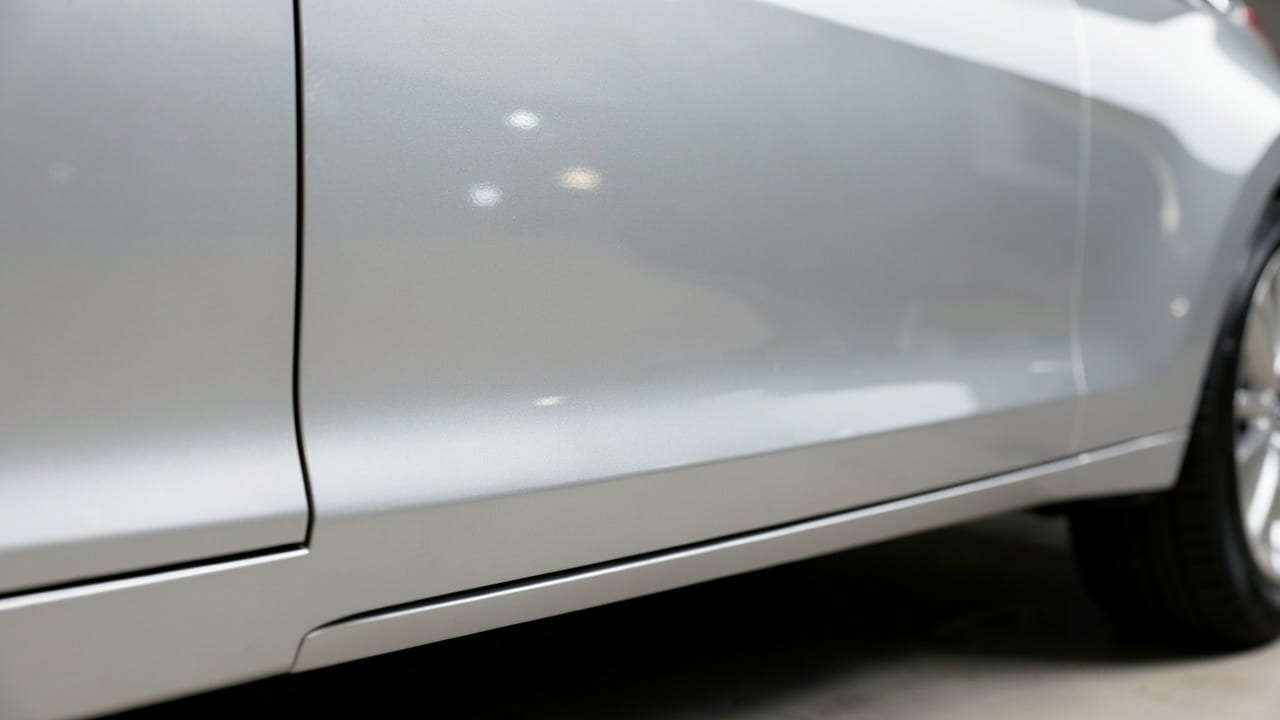
Road Tar Removal in Fort Myers, FL
Professional removal of road tar from vehicle paint using safe, ceramic-friendly methods.
Learn More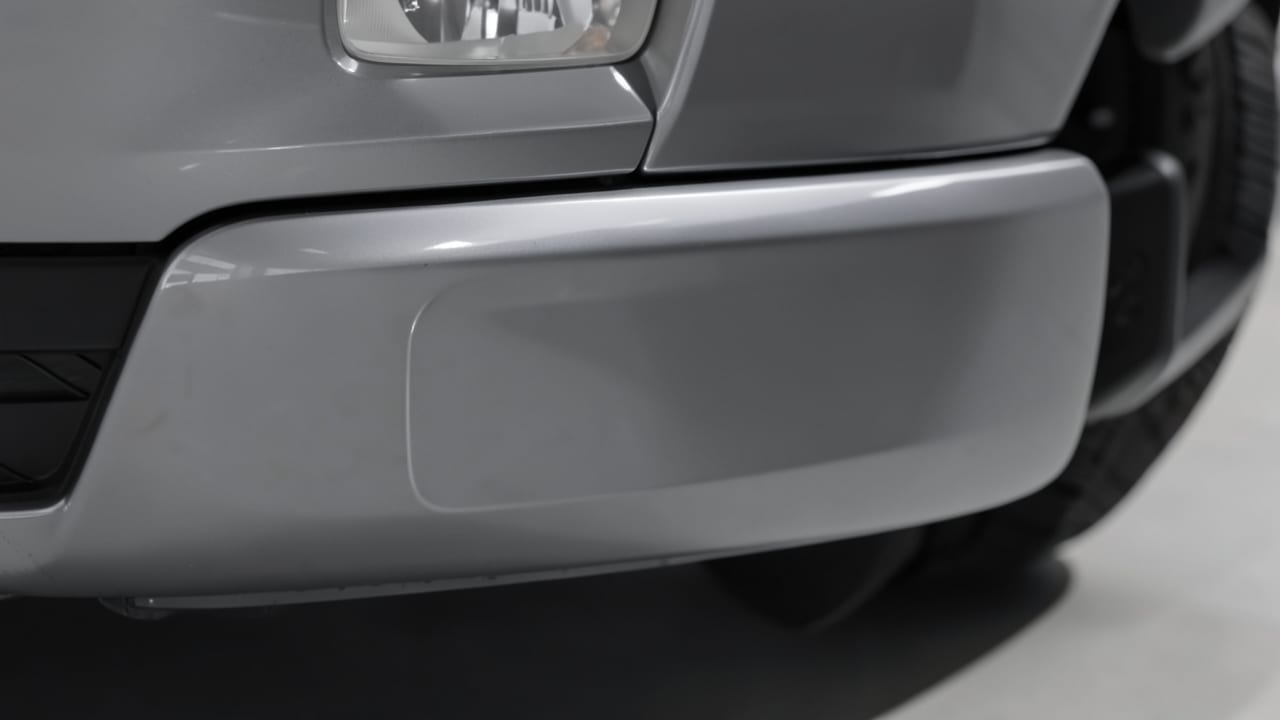
Bug Splatter Removal in Fort Myers, FL
Professional removal of insect residue from vehicle paint without damaging the ceramic coating or finish.
Learn More
Overspray Removal in Fort Myers, FL
Removing overspray from vehicles and surfaces to restore original appearance.
Learn MoreCommon Questions About Ceramic Coating in Fort Myers
Everything you need to know about ceramic coating services in Fort Myers
How much does Post-Storm Contaminant Removal typically cost in Fort Myers, FL?
Does intense UV and dust in Fort Myers, FL change coating maintenance?
Is ceramic coating ever covered by comprehensive auto insurance?
Can ceramic coating be applied over a vinyl wrap or matte paint?
What does proper paint prep before a ceramic coating actually involve?
How should a coated vehicle be washed after the coating is applied?
Need Ceramic Coating in Fort Myers?
Get a written quote from our Fort Myers crew.
⏰ We answer your call • Serving all of Fort Myers and surrounding areas